
Cotton
Cotton Terminology
Cotton is a highly technical natural fibre, and its performance is often described using specific industry terminology. These terms are used to define fibre characteristics, processing methods and yarn properties, all of which influence the quality and behaviour of the final textile.
This glossary brings together commonly used terms to support a clearer understanding of cotton and how it is assessed in practice.
Fibre Characteristics
Fibre
The basic unit of cotton, consisting of a single elongated cell that forms the raw material for yarn.
Staple Length
The average length of individual cotton fibres. Longer staple fibres generally produce stronger, smoother yarns.
Micronaire
A measure of fibre fineness and maturity. It influences dye uptake, strength and overall yarn performance.
Fibre Strength
The ability of a fibre to withstand tension. Stronger fibres contribute to more durable yarns and fabrics.
Uniformity
The consistency of fibre length within a sample. Higher uniformity improves yarn regularity and reduces imperfections.
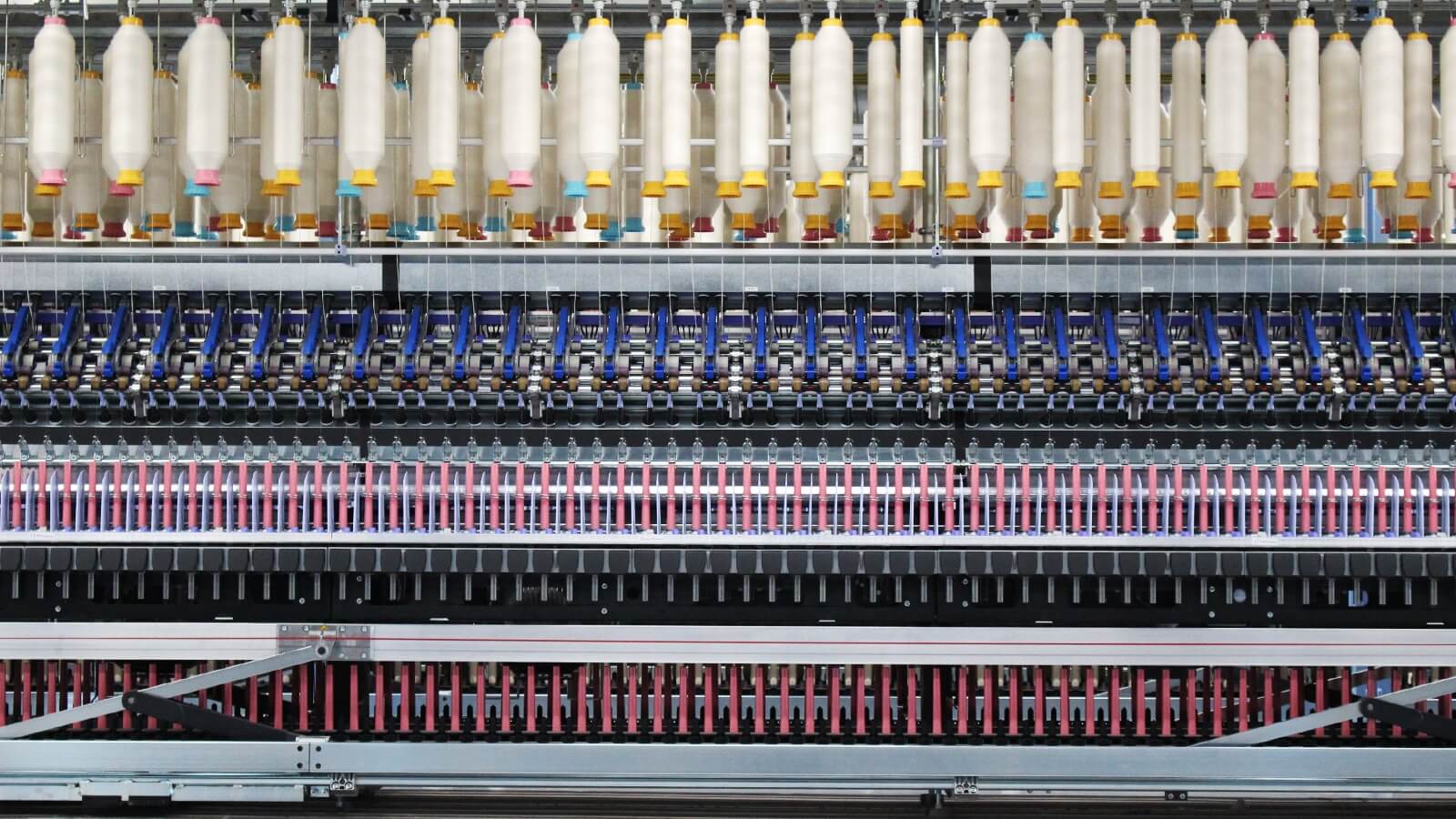
Processing Terms
Ginning
The process of separating cotton fibres from seeds after harvesting.
Carding
A mechanical process that disentangles, cleans and aligns fibres into a continuous web.
Combing
An additional refining stage that removes shorter fibres and improves alignment, used for higher-quality yarns.
Drawing
The process of combining and straightening multiple fibre strands to improve uniformity.
Roving
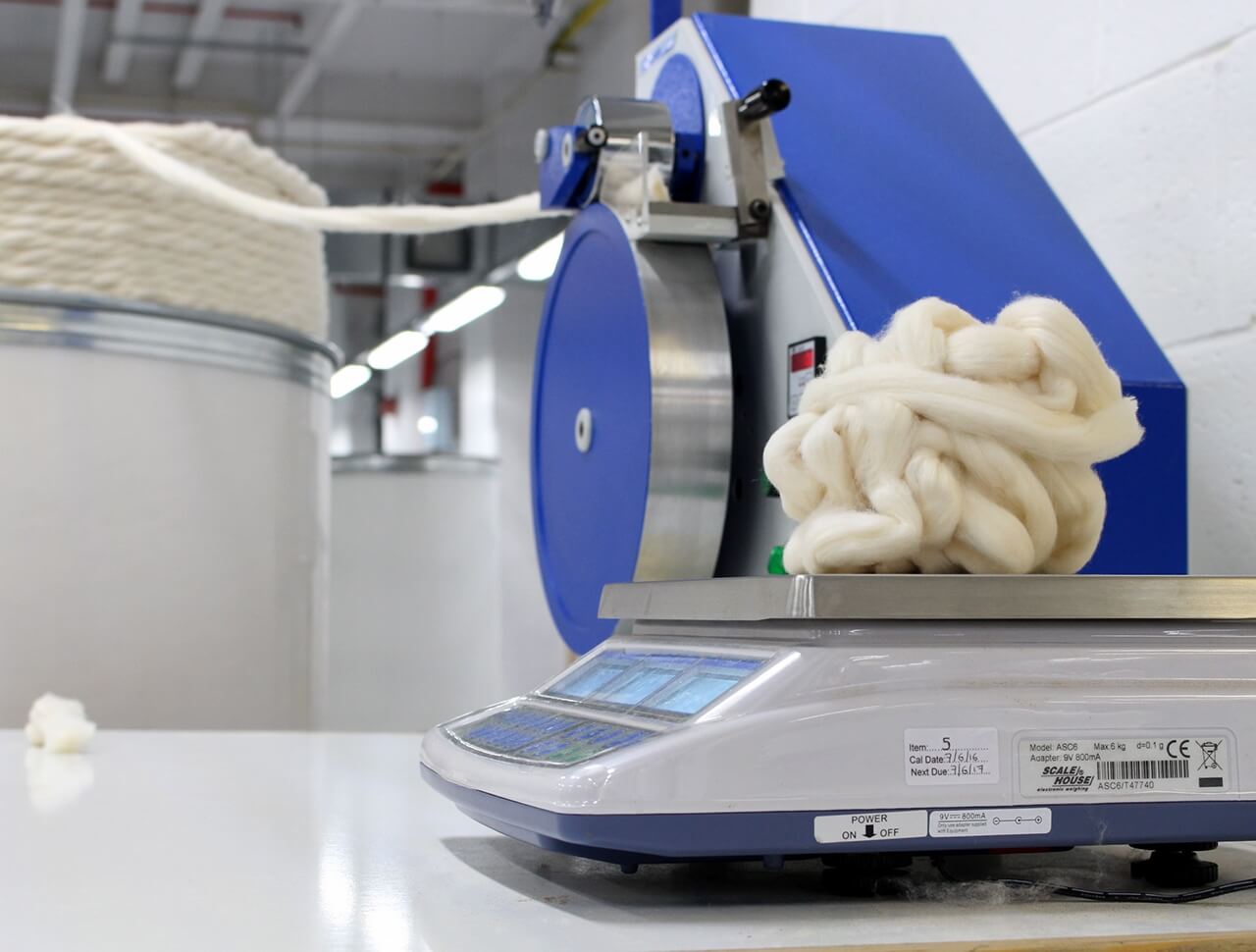
A stage where the fibre strand is reduced in thickness and given a slight twist before spinning.
Spinning
The process of drawing out fibres and applying twist to form yarn.
Yarn & Measurement
Count
A system used to describe yarn thickness. In cotton systems, higher counts indicate finer yarns.
Tex
A metric measurement of yarn thickness based on weight per length. Higher values indicate thicker yarns.
Denier
A unit of measurement for fibre or yarn thickness, based on weight per length, commonly used for filament fibres.
Twist
The number of turns applied to yarn during spinning. Twist affects strength, durability and handle.

Fabric & Finishing
Mercerisation
A finishing treatment that improves fibre strength, lustre and dye affinity.
Finishing
Processes applied to fabric after weaving or knitting to enhance appearance, performance or feel.
Handle
The tactile quality of a fabric, describing how it feels to the touch.
Shrinkage
The degree to which a fabric contracts after washing or processing.
Using the Glossary
Understanding these terms provides a clearer view of how cotton is evaluated and how fibre characteristics translate into yarn and fabric performance.
While individual terms describe specific properties or processes, it is the relationship between fibre quality, processing and finishing that ultimately determines the performance of the final textile.
