
Cotton
Cotton Fibre
Cotton is a natural cellulose fibre that grows around the seeds of the cotton plant, valued for its softness, strength and versatility. It has been used in textile production for thousands of years and remains one of the most important fibres in global manufacturing.
Understanding cotton at fibre level is essential to understanding the performance, quality and characteristics of the yarns and fabrics it produces.
What is Cotton Fibre?
Cotton fibre is a single, elongated cell that develops from the surface of the cotton seed. As the plant matures, these fibres grow, thicken and naturally twist, forming the raw material that is later processed into yarn.
Unlike synthetic fibres, cotton is entirely natural and biodegradable. Its structure gives it a unique combination of softness, absorbency and durability, making it suitable for a wide range of applications.
Cotton Species
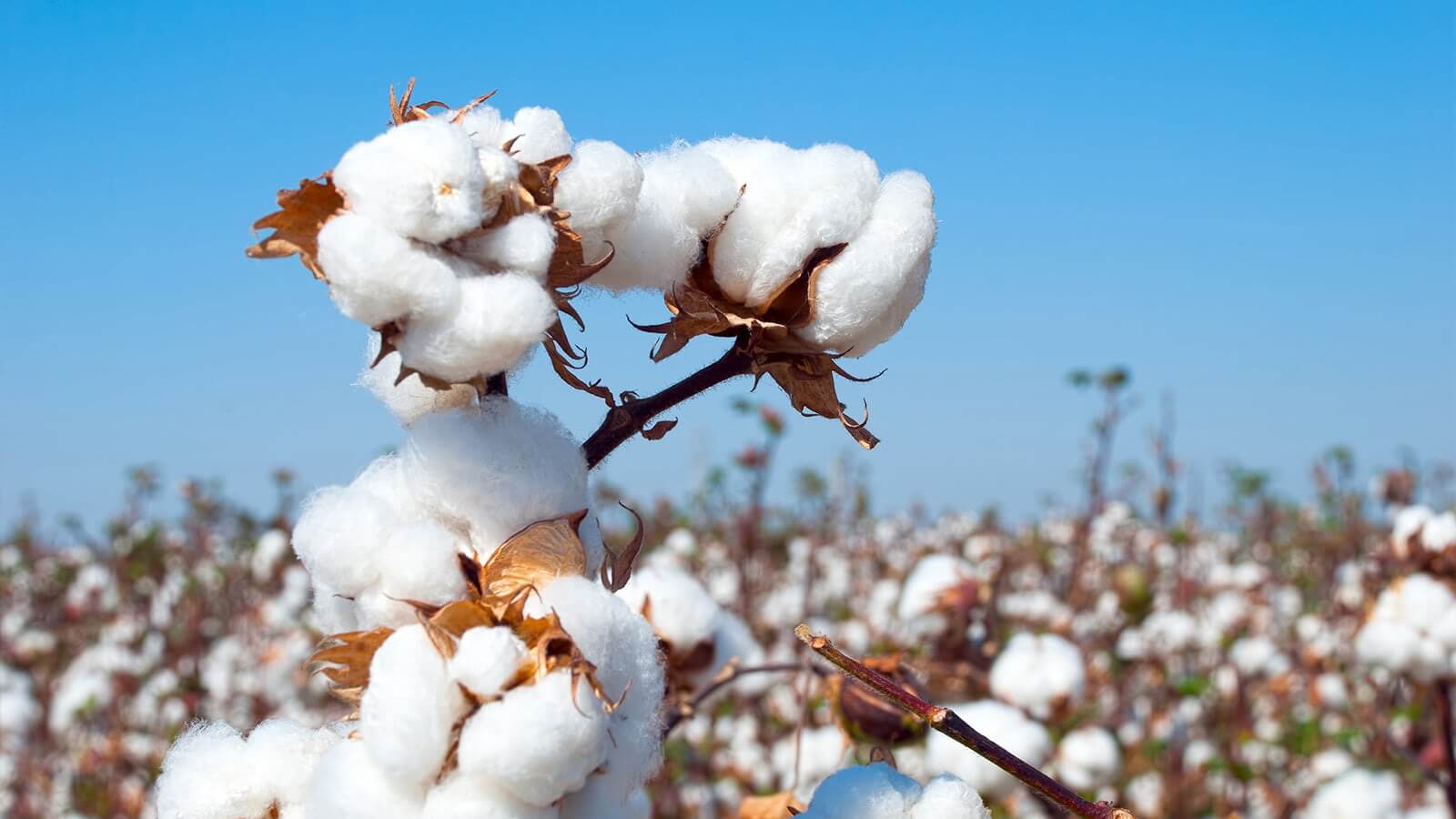
Cotton fibre is derived from several species of the cotton plant, each with distinct characteristics. The most widely used are:
- Gossypium hirsutum – the most commonly grown species globally
- Gossypium barbadense – known for longer, finer fibres
- Gossypium arboreum and Gossypium herbaceum – older species with more limited use
These species differ in fibre length, strength and fineness, which influence the quality and performance of the final textile.
For a more detailed comparison of fibre types, see Cotton Varieties.
The Structure of Cotton Fibre
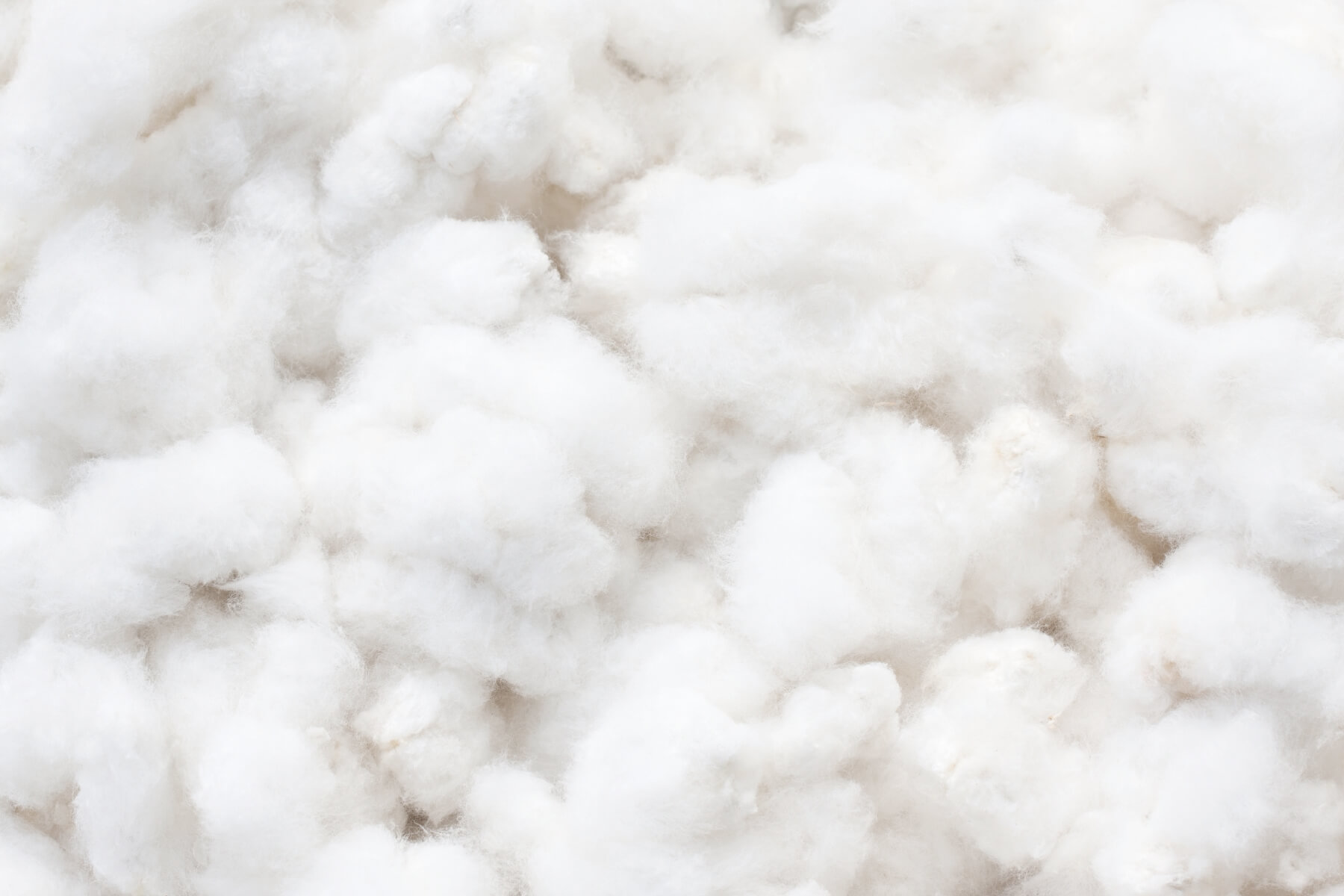
Each cotton fibre is composed primarily of cellulose and has a complex internal structure that influences its behaviour during processing and in end use.
Key structural characteristics include:
- A natural twisted, ribbon-like form
- A hollow central canal (lumen)
- Layered cell walls that contribute to strength
These features affect how fibres interact during processing and ultimately influence yarn quality.
Key Fibre Properties
The quality and performance of cotton are defined by several fundamental fibre properties:
Fibre Length (Staple Length)
Longer fibres produce smoother, stronger and more uniform yarns. Short fibres can lead to irregularity and reduced strength.
Strength
Fibre strength determines the durability of the yarn and its ability to withstand processing and wear.
Fineness (Micronaire)
Fineness refers to the thickness of the fibre. Finer fibres allow for softer, more refined yarns, while coarser fibres produce heavier textures.
Maturity
Mature fibres have fully developed cell walls, contributing to better dye uptake, strength and consistency.
Uniformity
Uniform fibres behave more predictably in processing, resulting in higher-quality yarns and fabrics.
Why Fibre Quality Matters
The intrinsic properties of cotton fibre directly influence the performance of the final textile.
Higher-quality fibres typically result in:
- Stronger, more durable yarns
- Improved fabric softness and handle
- Greater consistency in appearance and performance
Understanding these characteristics is fundamental when assessing cotton for different applications.
From Fibre to Fabric
Cotton fibre is the starting point of the textile process. Its properties determine how it behaves during processing and the qualities of the finished material.
To explore this further:
- Learn about Cotton Varieties to understand how fibre types differ
- Explore Cotton Processing to see how fibre is transformed into yarn.
