
Cotton
Cotton Provenance
Cotton is grown in a wide range of regions around the world, each with distinct environmental conditions that influence fibre characteristics. Factors such as climate, soil and agricultural practices all play a role in determining the quality and consistency of the cotton produced.
Understanding provenance is essential when assessing cotton, as origin has a direct impact on fibre performance and end-use suitability. A detailed knowledge of these factors allows for a more informed evaluation of cotton quality.
Global Cotton Growing Regions
Cotton is cultivated across diverse geographies, with major producing regions including the United States, India, China, Egypt and parts of South America.
Each region offers different growing conditions, which influence fibre length, strength and fineness. Some areas are known for producing longer, finer fibres, while others focus on high-volume production of more variable qualities.
These regional differences contribute to the wide range of cotton types available globally.
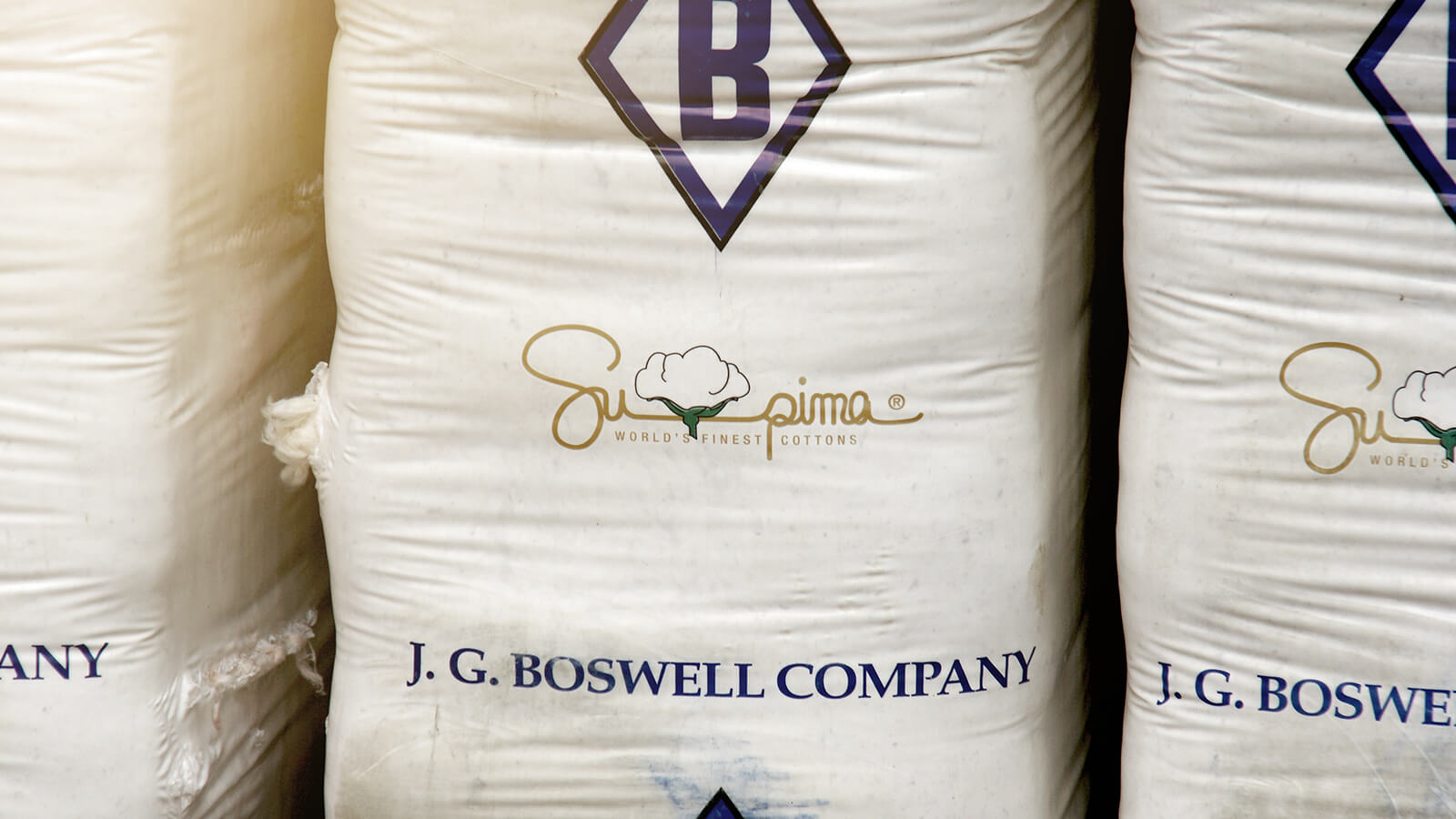
Climate and Growing Conditions
The quality of cotton fibre is closely linked to the environment in which it is grown.
Key factors include:
- Temperature and length of growing season
- Soil composition and fertility
- Water availability and irrigation methods
Stable growing conditions generally support more consistent fibre development, while variability in climate can lead to differences in fibre maturity and uniformity.
Growing Practices and Traceability
In addition to geography, agricultural practices influence both fibre characteristics and supply chain transparency.
Growing methods can vary widely, including conventional and organic approaches, each with different impacts on yield, fibre consistency and environmental considerations.
Traceability has become increasingly important, allowing cotton to be tracked from field to finished product. Greater transparency supports more consistent quality and provides a clearer understanding of origin.
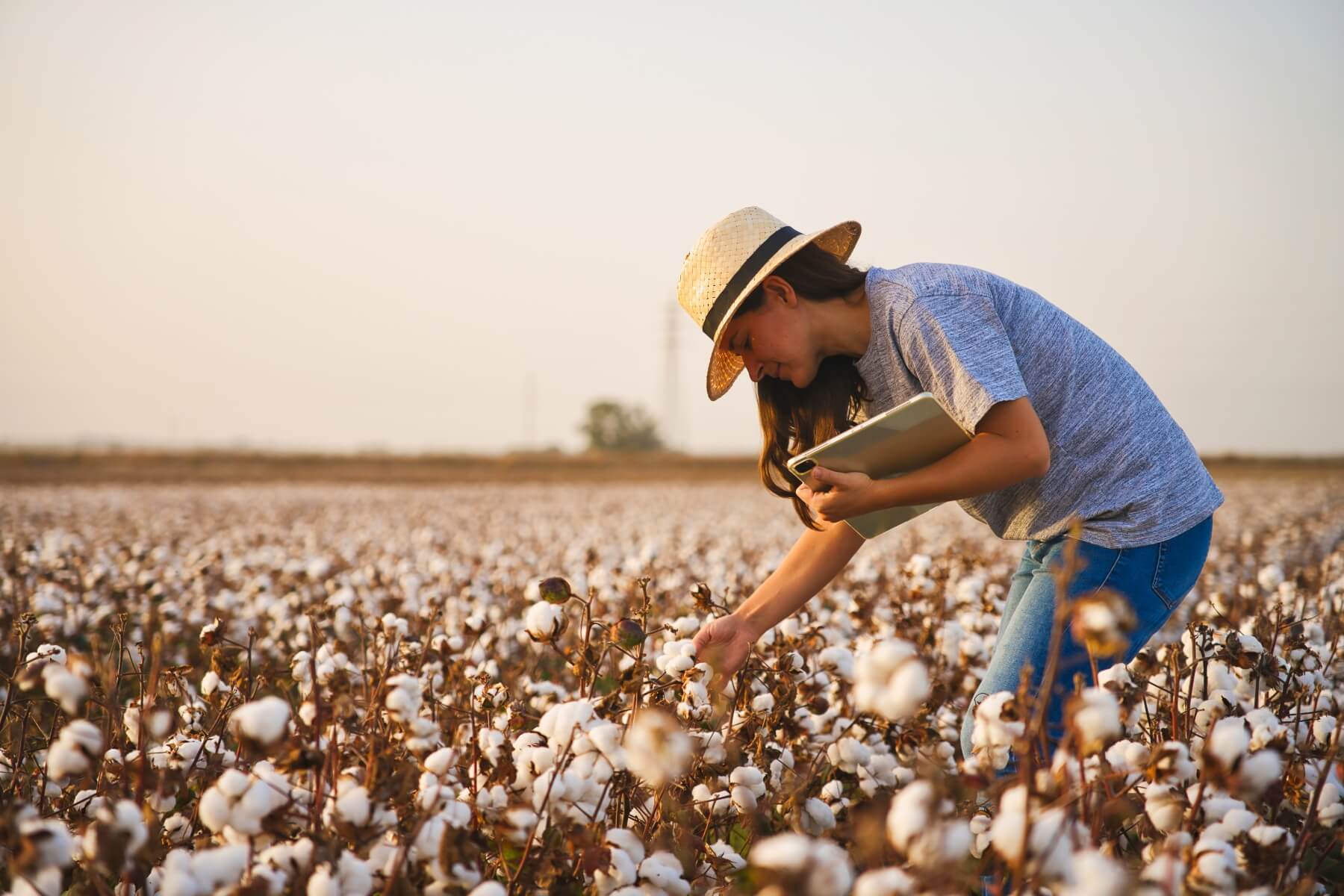
Variability in Cotton
Even within the same species or variety, cotton can vary significantly depending on where and how it is grown.
Differences in climate, soil and farming practices mean that two cottons with the same classification may perform differently in processing and end use.
This variability highlights the importance of considering provenance alongside fibre properties when evaluating cotton.
Why Provenance Matters
The origin of cotton plays a key role in determining its quality, consistency and suitability for different applications.
Understanding provenance helps to:
- Assess expected fibre performance
- Identify sources of consistency or variability
- Support informed selection of cotton for specific uses
A detailed understanding of where and how cotton is grown provides valuable context for evaluating fibre quality.

Experience and Understanding
Understanding cotton provenance requires more than knowledge of geography. It involves recognising how subtle differences in climate, soil and growing practices influence fibre behaviour in processing and in the finished textile.
This level of insight comes from direct experience of working with cotton from different regions and qualities, and from understanding how these variations translate into performance, consistency and feel.
Assessing Cotton Origin
Understanding where and how cotton is grown provides essential context for evaluating fibre quality. Provenance influences not only consistency, but also how cotton behaves in processing and in the finished textile.
To explore further:
- Learn more about Cotton Fibre and its core properties
- Discover Cotton Varieties and how fibre types differ
