
Cotton
Cotton Processing
Cotton fibre does not become yarn in a single step. It undergoes a series of carefully controlled processes that clean, align and refine the fibres, ultimately transforming them into a consistent, high-quality yarn.
Each stage plays a critical role in determining the performance, strength and uniformity of the final textile. Understanding this process is essential when assessing cotton quality.
Preparation of Cotton Fibre
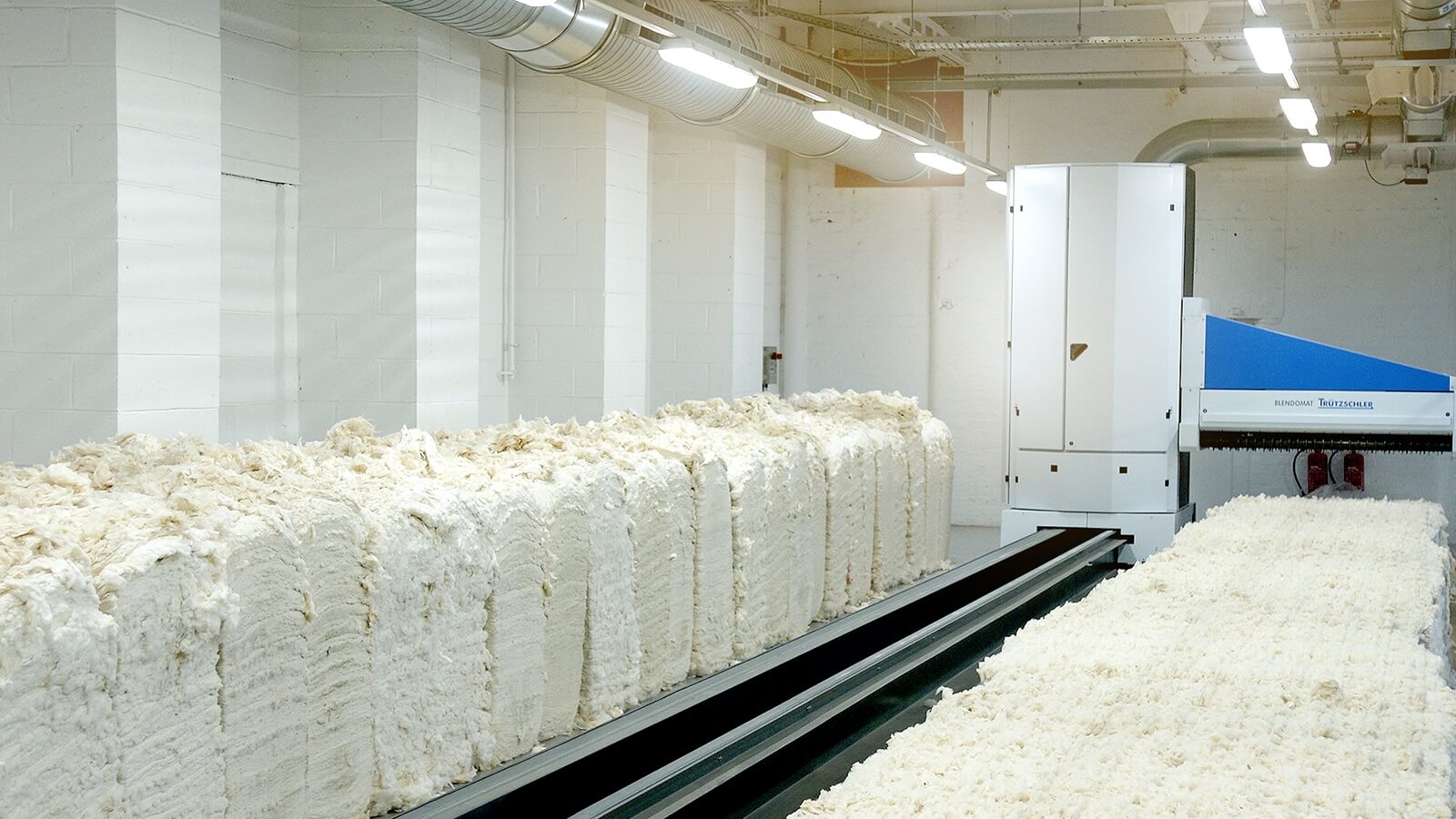
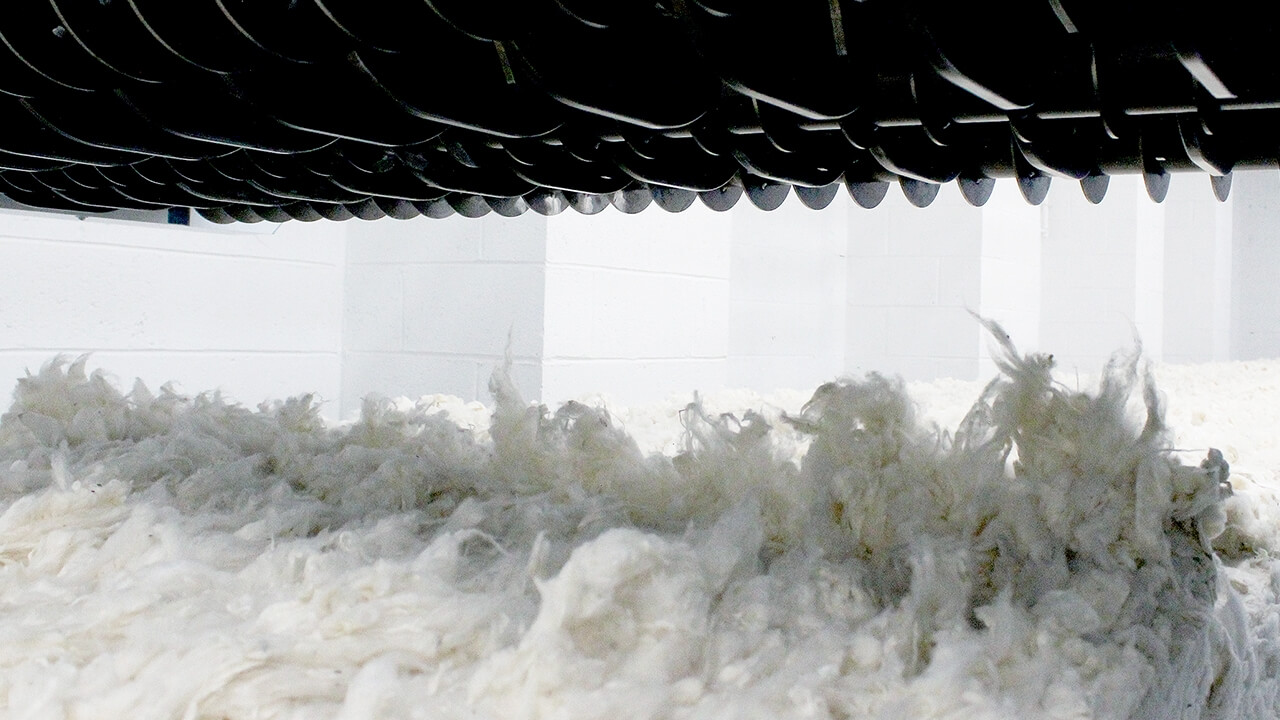
Before spinning can begin, raw cotton fibres must be opened, cleaned and blended.
This stage removes impurities and separates compacted fibres, allowing them to be processed more effectively. The way fibres are prepared at this stage has a direct influence on consistency and downstream performance.
Carding and Combing
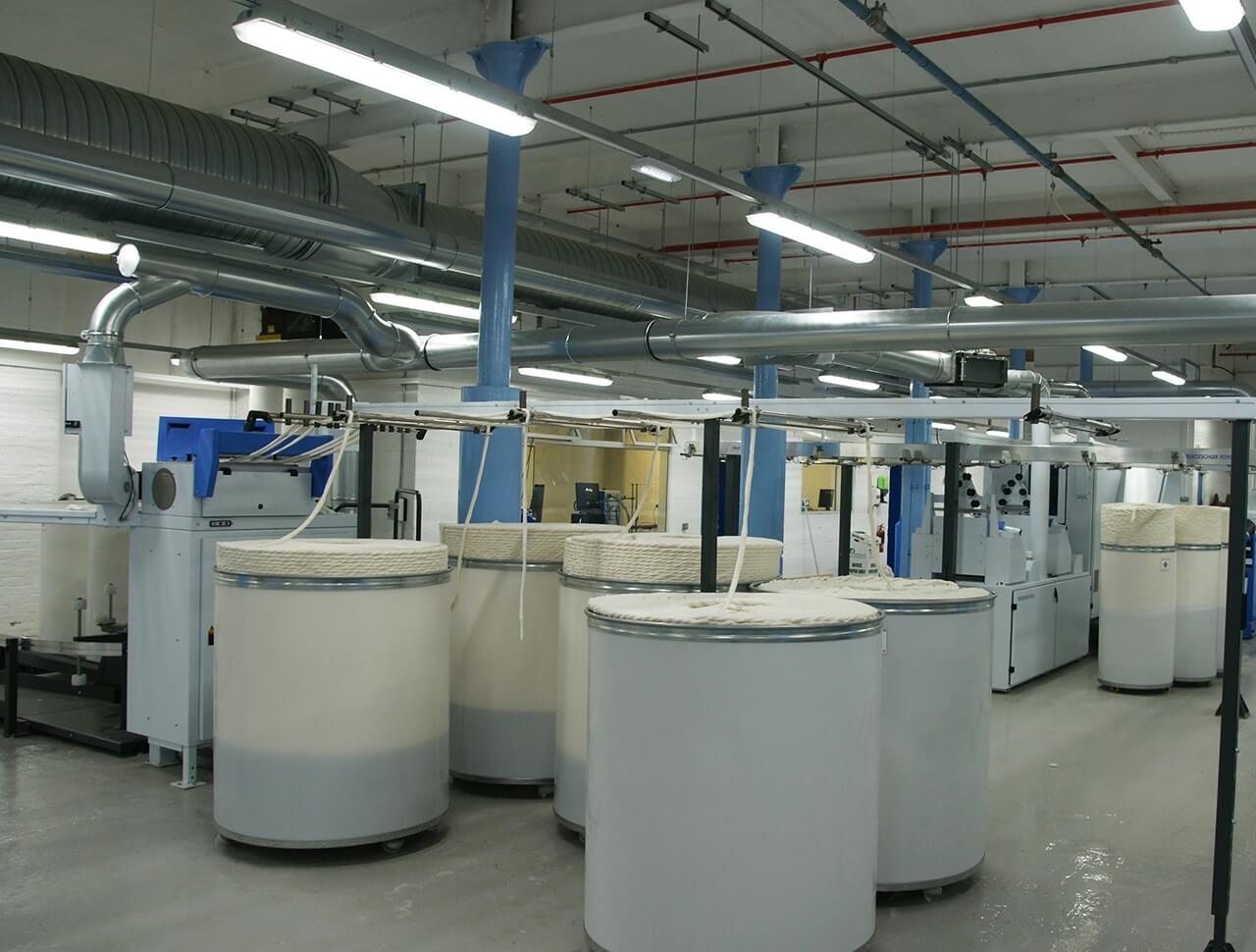
Carding is one of the most important stages in cotton processing. It disentangles fibres, removes remaining impurities and begins aligning them into a continuous web.
Combing is an additional refining step used for higher-quality cottons. It removes shorter fibres and further improves alignment, resulting in smoother, more uniform yarns.
This stage is particularly important when working with longer, finer fibres, where maintaining fibre integrity is critical.
Drawing and Roving
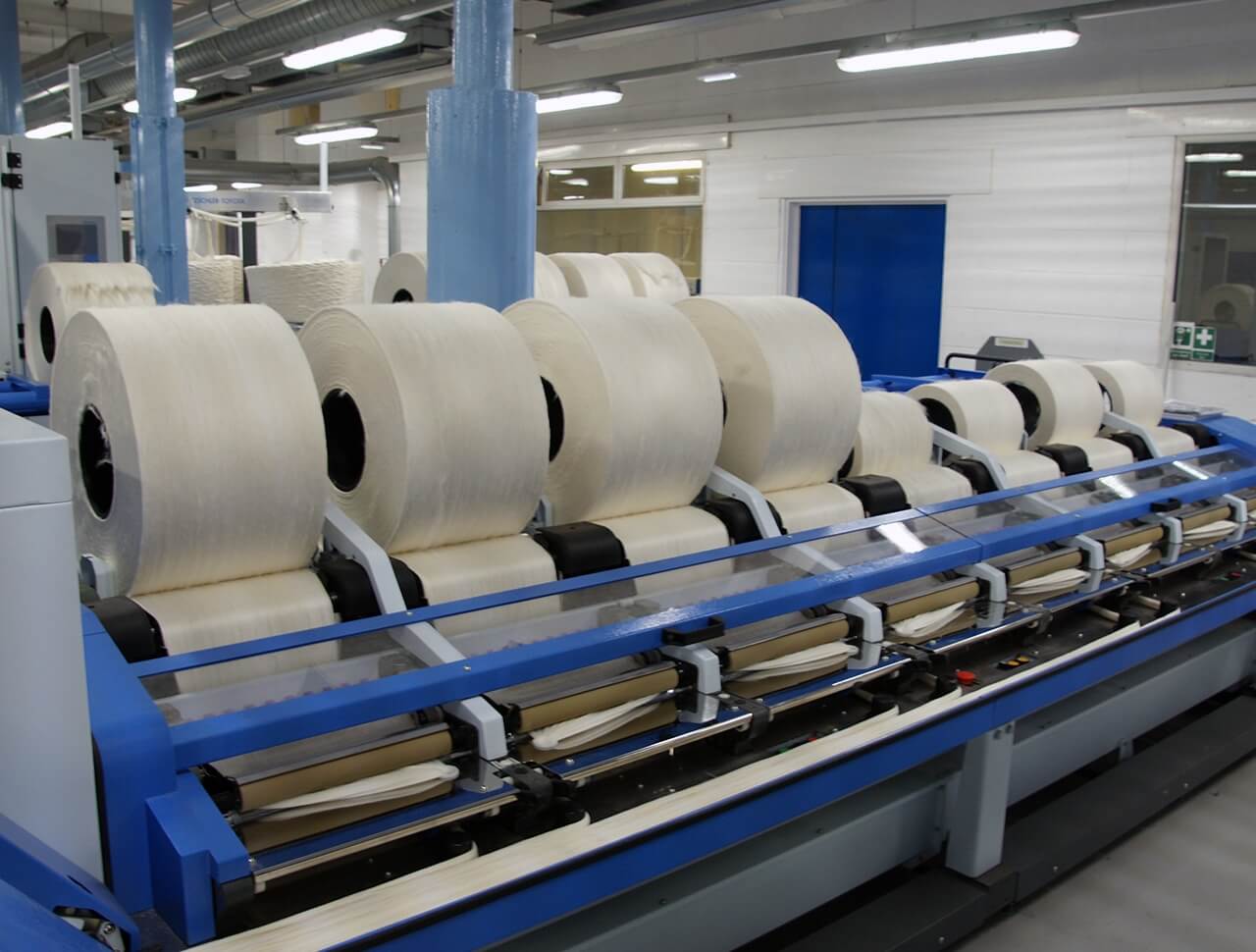
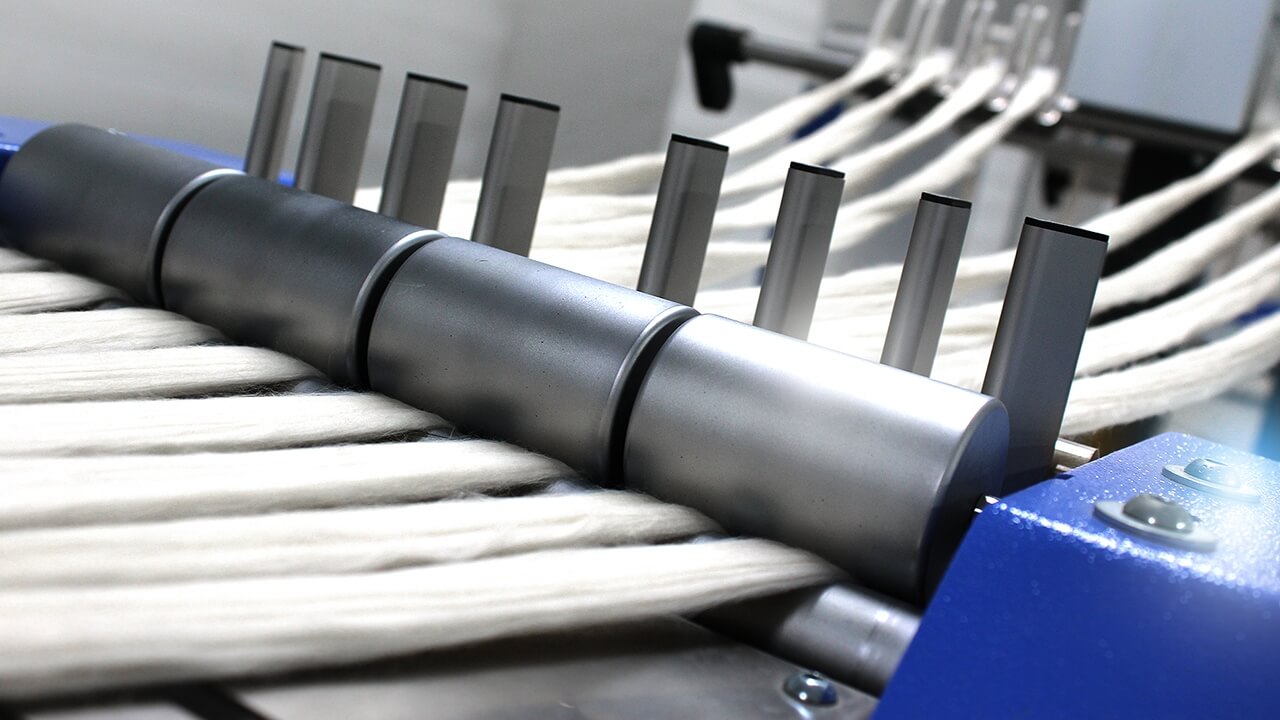
Following carding or combing, fibres are drawn together and blended to improve uniformity. Multiple fibre strands are combined and straightened, helping to create consistency across the material.
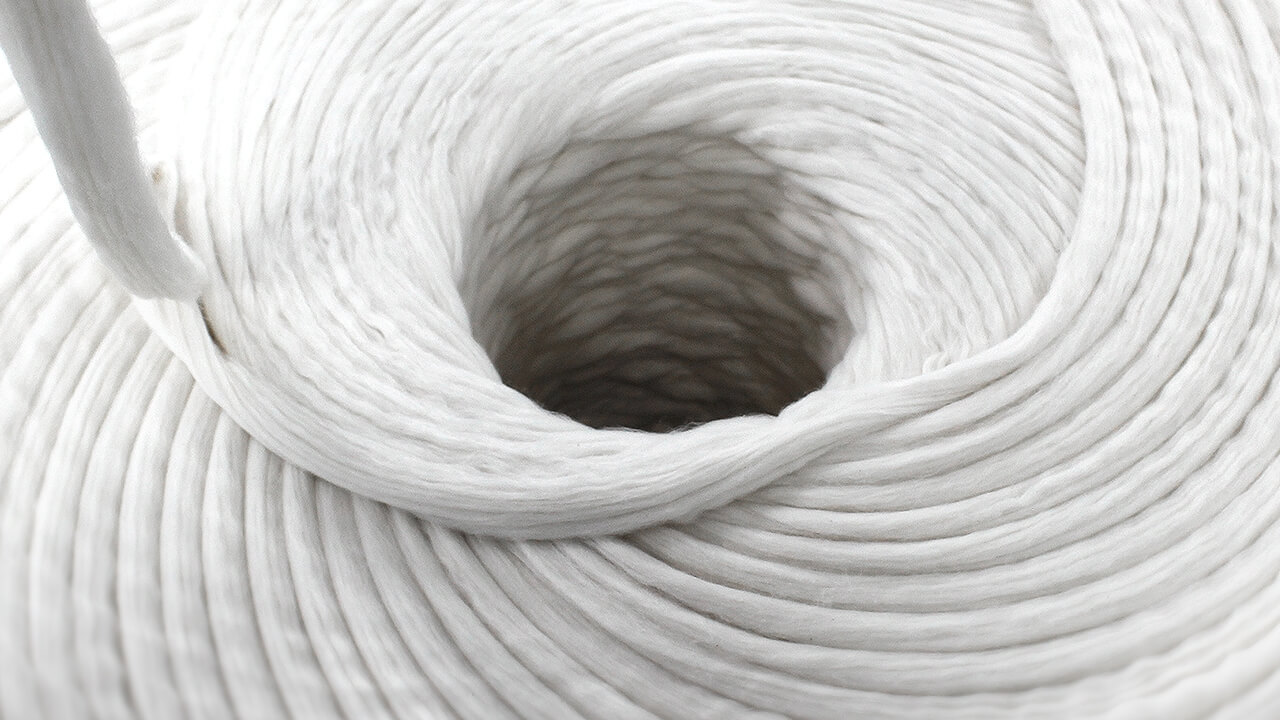
Roving then gently reduces the thickness of the fibre strand and introduces a small amount of twist, preparing it for spinning.
These stages ensure that variations in the raw fibre are minimised before final yarn formation.
Spinning
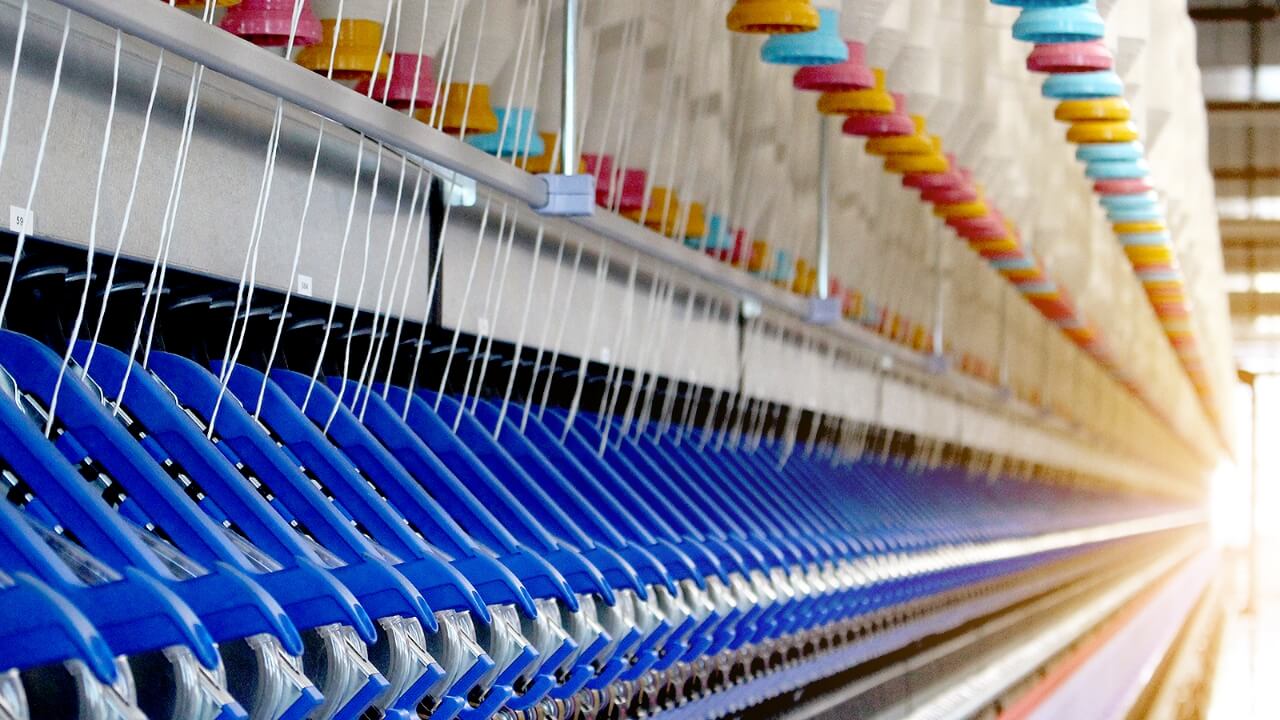
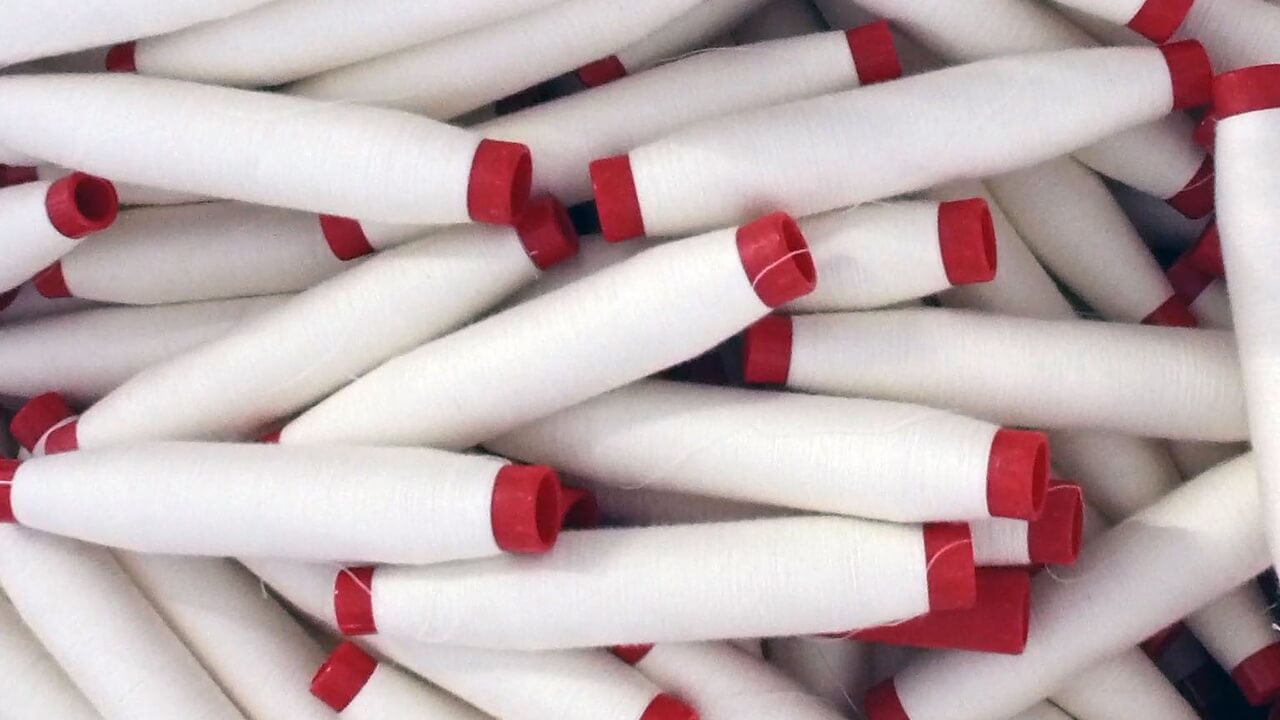
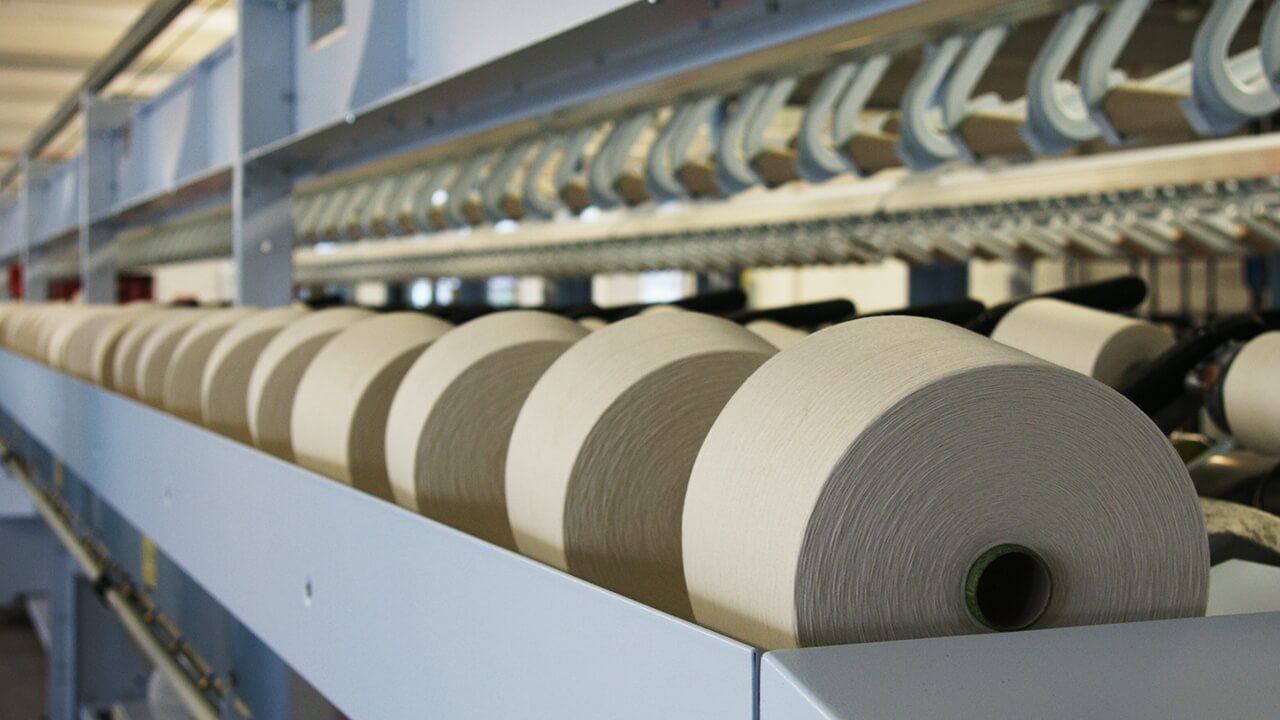
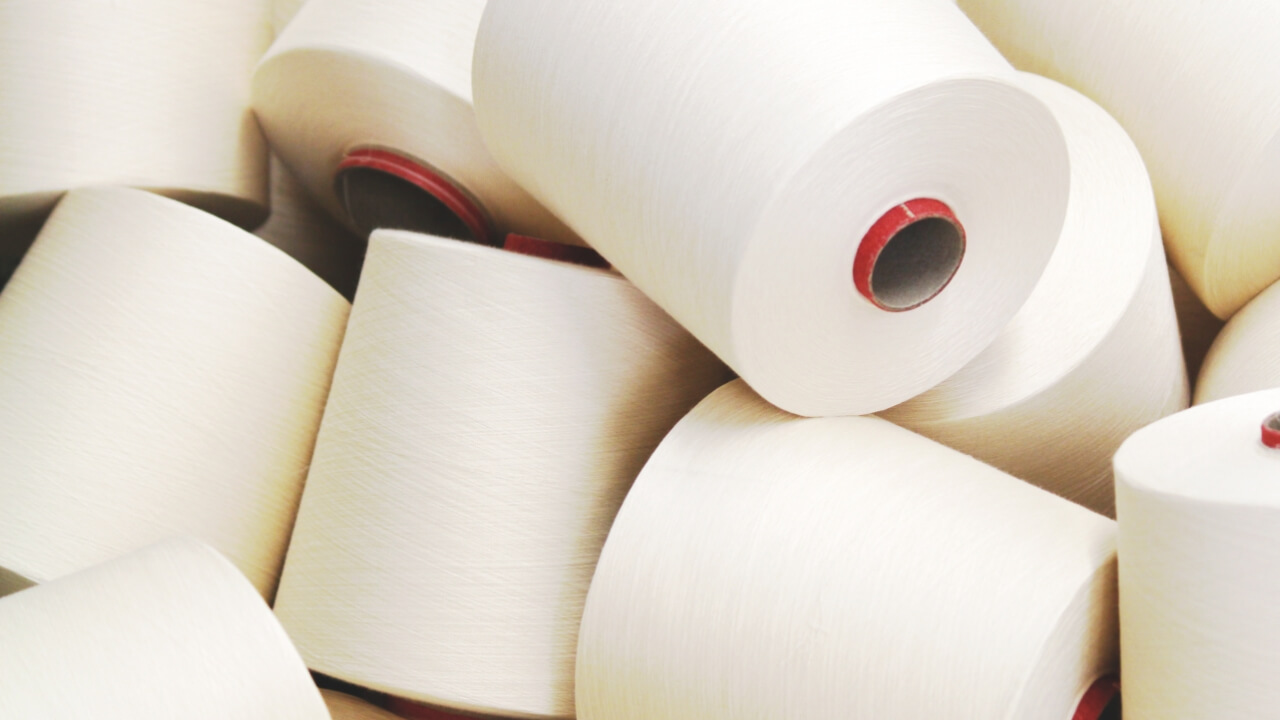
Spinning is the process of converting prepared fibre into yarn by drawing out the fibres and applying twist.
The amount of twist applied influences yarn strength, handle and performance. Too little twist can result in weak yarns, while too much can reduce softness.
Different spinning methods can be used depending on the desired yarn characteristics, with each approach affecting the final properties of the textile.
Why Processing Matters
While fibre quality provides the foundation, processing determines how effectively those properties are realised in the final yarn.
Careful control at each stage of processing can enhance:
- Yarn strength and durability
- Surface smoothness and uniformity
- Consistency across batches
- Overall fabric performance
The interaction between fibre characteristics and processing is central to achieving high-quality textile outcomes.
Experience and Understanding
A detailed understanding of cotton processing comes not only from theory, but from practical experience of how fibres behave at each stage.
From fibre preparation through to spinning, the way cotton is handled, aligned and twisted has a lasting impact on the finished material. This understanding underpins the ability to assess fibre quality and predict performance in use.
From Fibre to Yarn
Cotton processing is one part of a wider system that defines textile quality. Fibre properties, cotton varieties and processing methods all contribute to the final result.
To explore further:
- Learn more about Cotton Fibre and its core characteristics
- Discover Cotton Varieties and how fibre types differ
